Ghosts of Dead Cities: Possessor(s)
Well, that didn’t work out like I expected. The plan was to take this column weekly again, but then I got on a plane during a national flu spike. I’m fine now, but it was hard to get my act together for a while there.
It didn’t help that the next game I chose to cover is actually sort of a bummer. Possessor(s) is a lo-fi action/exploration game that’s set in a procession of abandoned buildings and dark corridors with a deliberately down-tempo soundtrack. Making progress through it also necessarily involves a slow march through its protagonists’ most painful memories. Possessor(s) isn’t a bad game, although it’s got an uneven difficulty curve, but it’s often deliberately uncomfortable. It’s not something you can throw on at the end of the day to zone out.
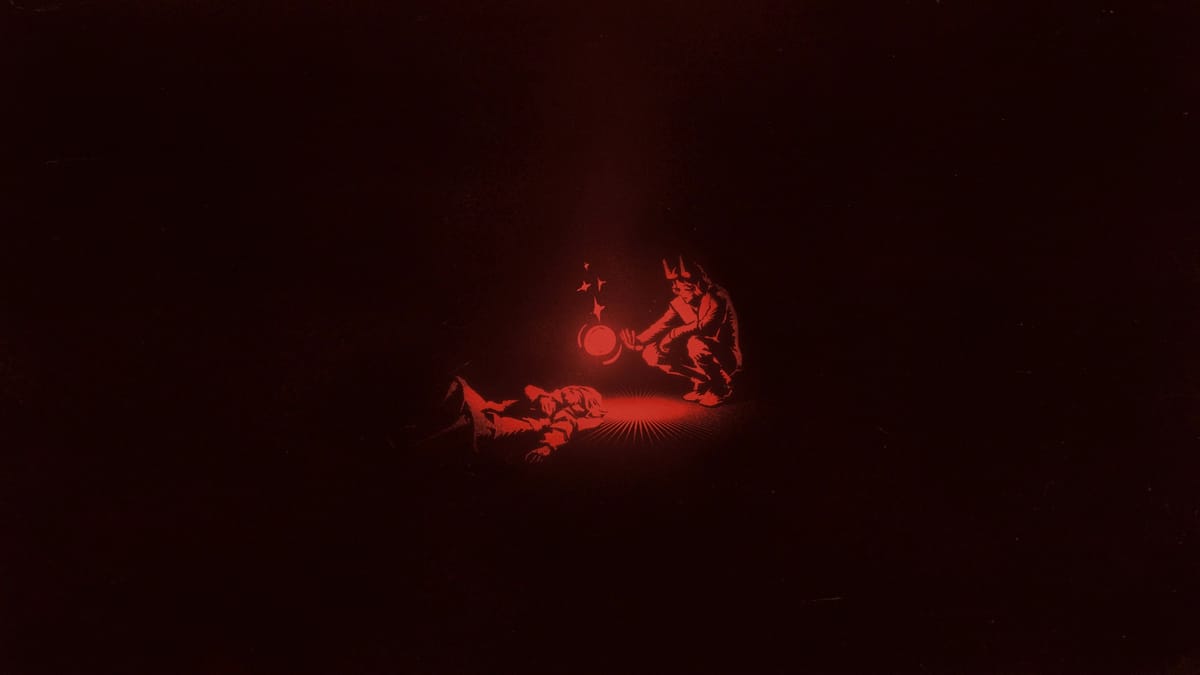
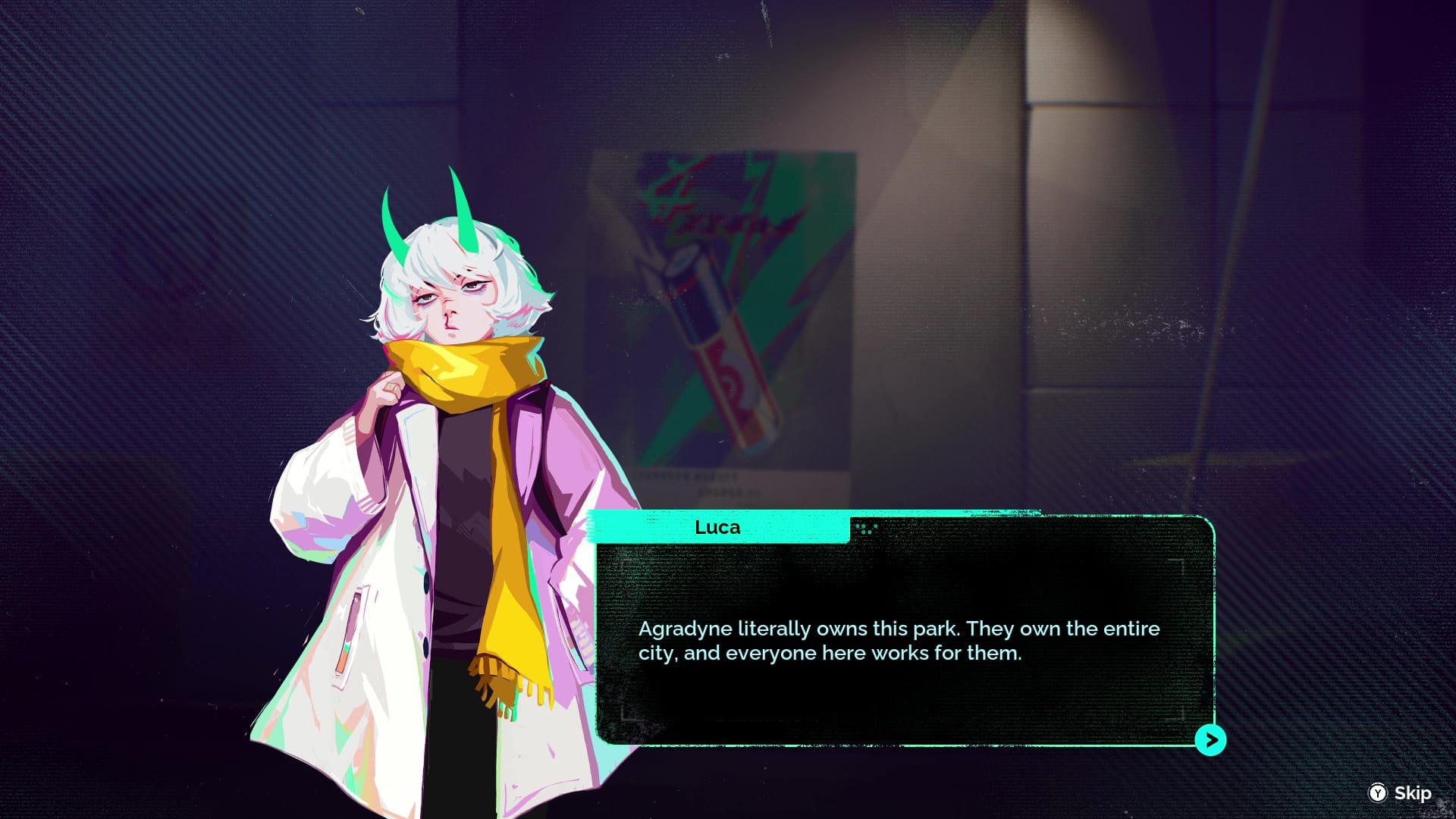
In 1992, Sanzu City is suddenly overrun by what appear to be genuine demons, who casually slaughter every human they can reach. Luca, a local college student, loses her legs in the attack, and her friend Kaz is killed in front of her.
Luca tries to crawl to safety, but instead finds a more humanoid demon than the others. Rhem, who’s also injured, offers a deal to heal Luca in exchange for her help. Rather than bleed out, she agrees, right before she passes out.
When Luca wakes up, she now has horns and chalk-white hair; her legs have been replaced by a pair of functional, chitinous limbs; and Rhem is a quiet, sarcastic presence inside her mind. She wants to find out what happened to her family and escape the city, but due to Rhem’s deal, Luca must first find a way to send him home.
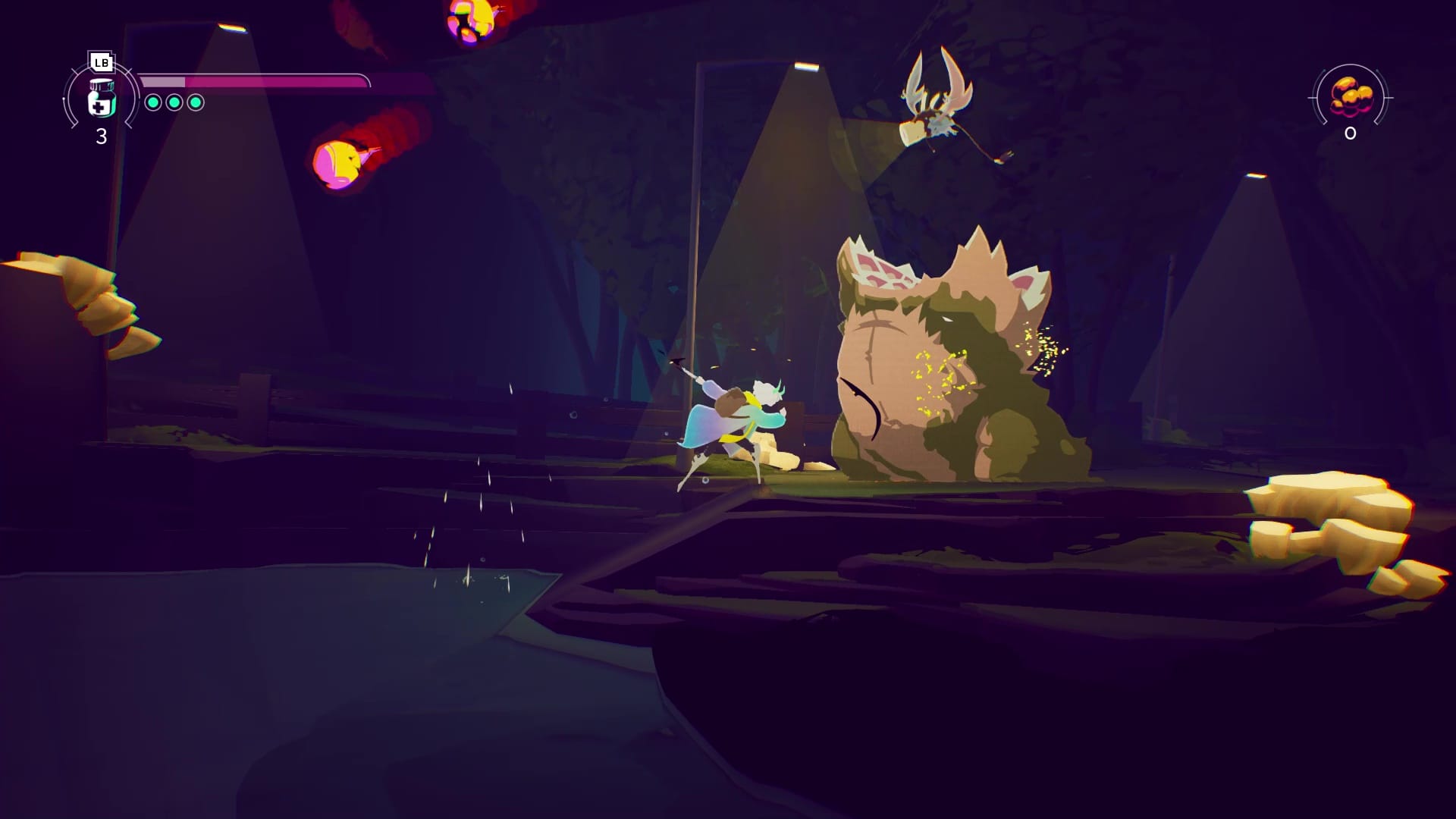
Sanzu City is almost deserted around them, aside from roving packs of animate debris. As Rhem explains, demons must possess something to survive in Luca’s world, and if they’re desperate enough to try and inhabit an object – books, file cabinets, vending machines – the result is a crazed monster.
That creativity was my first big takeaway from Possessor(s). There’s a real sense of demented glee to its creature design, where somebody seems to have decided to reimagine everything they saw in their house as a unique fanged horror. The traffic cone demons in Possessor(s) are the first real successor to Mega Man’s hard hat robots that I’ve seen in years, and they’re a dark horse contender for the most obnoxious video game enemy of 2025.
The further you get into Possessor(s), the more elaborate these designs get. There’s a real sense of degeneration in its environment, as recognizable locations from Luca’s life turn into crumbling labyrinths. It’s always raining in Sanzu City after the fall, just enough of the power still works that it’s a little creepy, and the soundtrack is devoted to a sort of dreamy chillhop sound that shouldn’t work with the game as well as it does. There’s always something fundamentally sad about Possessor(s), even in its most exciting moments.
Mechanically, Possessor(s) fits into a particular midpoint between genres that I’ve ranted about before, back in the previous version of this column. It’s an action/exploration hybrid in the spirit of Metroid or Castlevania: Symphony of the Night, but it’s also inherited a number of the trademark features of modern combat systems like parries, dodges, and a deliberately high challenge level.
(Yeah, I could’ve just said “Soulslike Metroidvania” and been done with it, but the more of these columns I write, the more I hate using these hobby-only portmanteaus. Sooner or later, especially offline, you’ll run into someone for whom none of those terms make any sense at all. So I write around it.)
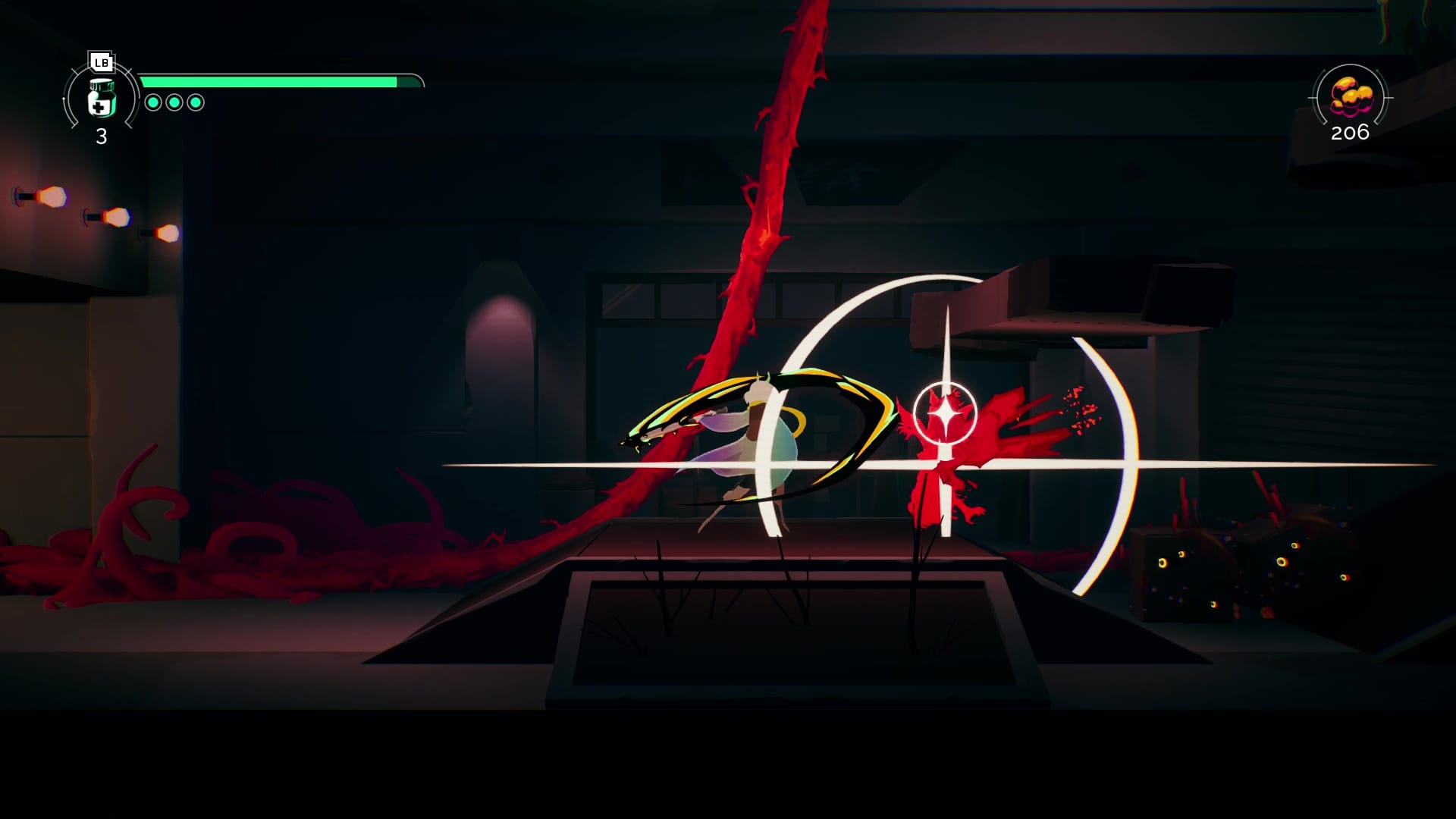
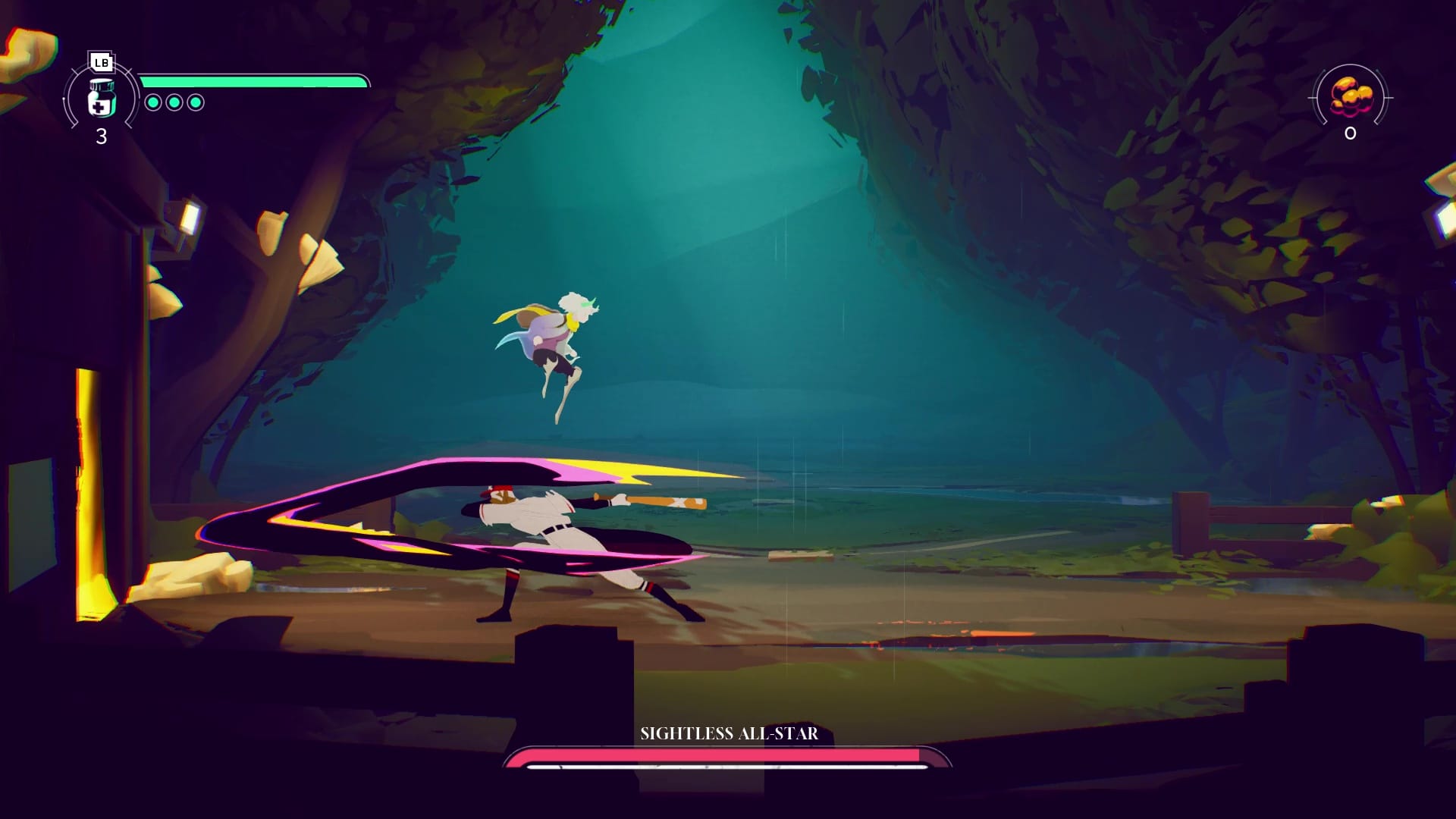
Possessor(s) is tricky on Easy and a genuine brick wall on Normal. It starts off slowly, but once you unlock the ability to parry, it begins to play an increasingly central role in the game. You can get by a lot of standard enemies without it, but several larger monsters and all of the bosses virtually require you to parry their attacks in order to set up a stun. Anyone who’s played a game even vaguely like this before shouldn’t have trouble with finding the enemies’ patterns, but one mistimed parry can kill you on the spot.
This kind of defense-focused gameplay has gotten increasingly common lately, and I’m usually not into it. In its defense, Possessor(s) handles it with a bit more elegance than some of the other games in this narrow, specific lane. Luca’s parry has a generous number of active frames, and there are a number of ways where you can overpower or avoid rank-and-file monsters without having to stand there and laboriously parry their most obvious attack.
Just the same, I was a lot more enthusiastic about Possessor(s) before the parry showed up. After that, it’s still decent, with great characters and an evocative, haunting setting. If you’re more of a fan of this kind of Soulslike (Soulslight?) experience in a game than I am, and you know going in that Possessor(s) is slightly downbeat, you could have some fun with this one. It just wasn’t for me, although I’d hoped it’d be.
[Possessor(s), developed by Heart Machine and published by Devolver Digital, is now available on PC via Steam for $17.99. This column was written using a Steam code sent to me by a PR representative for Devolver.
["Cheating at Solitaire" is an independent, reader-supported newsletter. Subscribe and/or donate to support the project and ensure it can continue. Thanks for reading.]